
Unknown's avatar

About Scott Orman

Emergency Medicine Specialist, Auckland Hospital; Auckland HEMS Doctor

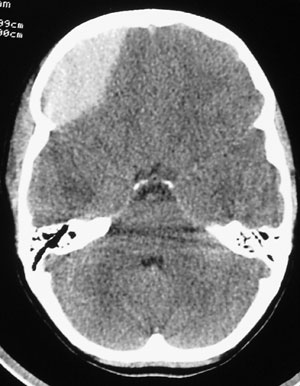
Prehospital Management of Traumatic Brain Injury

extradural-haematoma

To date, the most significant procedural capability the the addition of doctors to the ARHT Westpac Rescue Helicopter has provided has been RSI capability. Of the RSIs performed so far,  a significant proportion have been for severe traumatic brain injury (TBI).

With the exception of surgical intervention (which is required in a minority of cases of severe TBI), most other essential elements of severe TBI management can be provided in the prehospital setting – airway protection, optimisation of oxygenation, prevention of hyper- or hypo-carbia, support of cerebral perfusion pressure, and ICP control.

This paper, published in the Journal of Neurosurgery in 2008, reviews the evidence around the various elements of the pre-hospital severe TBI care ‘package’.

Take-home messages:

  • a period of hypoxia (PaO2<60mmHg) is associated with a 50% mortality rate and a 50% severe disability among survivors
  • in previous studies hypoxia has been a common complication of prehospital intubation for severe TBI, with up to 57% of patients experiencing transient hypoxia lasting a mean of 2.3 minutes (note – these studies frequently involved neither an RSI as we know it nor personnel who were appropriately trained and qualified; more recent evidence points to a benefit for prehospital RSI for severe TBI provided it is done well by appropriate people)
  • Tight control of CO2 after intubation has a significant effect on survival – in one large series patients with normal CO2 on arrival to ED had a 21% mortality, those with CO2 outside the normal range had a 34% mortality
  • Manual ventilation is associated with hypocarbia
  • A single episode of hypotension (systolic BP less than 90mmHG) doubles mortality
  • Management of hypotension in the field improves outcome
  • Transport by helicopter for patients with severe TBI improves odds of survival compared with ground transport (OR 1.6-2.25) – this may reflect the presence of more skilled personnel on the helicopter, careful attention to post-intubation ventilatory parameters, and transport to a trauma centre.

Errors in prehospital paediatric resuscitation

paeds

When compared to adult resuscitation, paediatric resuscitation has anatomical, pharmacological, procedural, social, and emotional differences that may make it more difficult and therefore more prone to error.

The authors of this study (full text pdf – NOT hosted on this site) used a simulated paediatric emergency (infant with altered mental status, seizures, and respiratory arrest) to look at errors in paediatric resuscitation by two person EMS teams.

What emerged were issues regarding equipment familiarity/use/misuse, failure to check BSL, and drug errors. Calculations of drug doses were difficult under stress. Failure rates in some of these domains exceeded 50%.

This study, coupled with our low incidence of significant paediatric resuscitation, suggests that we must have ongoing training in paediatric emergencies (simulation and otherwise) to mitigate these risks, and consider new ways of avoiding error. Given the high rate of smartphone use by HEMS personnel, this app is possibly a good start!


Oxygen physiology and pulse oximetry lag podcast

corpuls

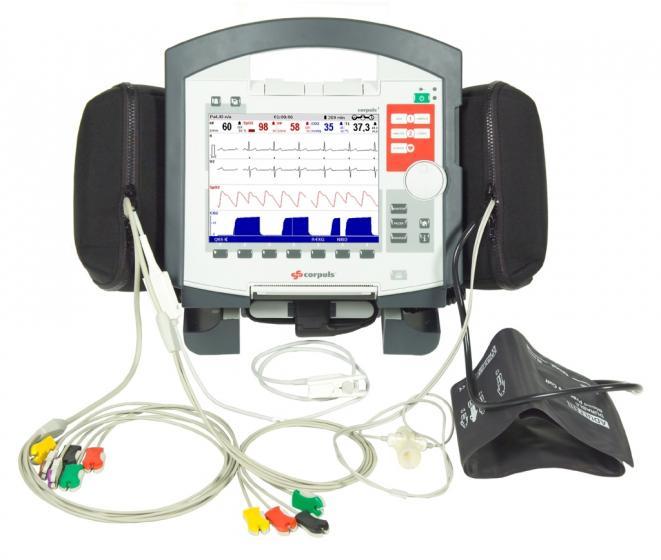
This podcast, from the Scott Weingart’s superb emcrit.org site, discusses the lag between oxygen delivery commencing following RSI and the rise in saturations on the patient monitor. It is directly relevant to the prehospital setting, given that a colder environment and a shocked/underresuscitated patient results in a longer pulse oximetry lag. The discussion also makes note of several cases where a (probably) successfully placed ETT was removed in the prehospital setting due to pulse oximetry lag.

The emcrit show notes are here

The podcast is here


Motion sickness

airsick

Motion sickness among aeromedical staff is an important factor that may limit our ability to deliver effective in-flight patient care. Having experienced this once in the helicopter (an aerial search of the bays of the Manukau Harbour in gusty winds is not an excursion I would recommend to anyone wanting a sightseeing flight!), I can say that it is truly debilitating.

The Emergency Medical Retrieval Service of Scotland have a published SOP relating to air-sickness, including practical non-pharmacological methods of improving symptoms.

A detailed discussion of motion sickness from Medscape can be found here