
‘Delayed sequence intubation’ and ‘apnoeic ventilation’ are two of the hottest topics in ED airway management at the moment. Details and discussion of these topics are all over the internet currently (multiple links coming below!) so what I will provide now are BRIEF summaries of the concepts.
The relevance to our HEMS is that both of these techniques for delaying the time to desaturation during intubation should (in theory!) translate well to the prehospital environment, and provide additional weapons in the prehospital airway management arsenal.
Traditional Rapid Sequence Intubation involves:
1) a period of pre-oxygenation
2) simultaneous administration of an anaesthetic induction agent and a paralytic
3) intubation once sedation and paralysis is adequate
The problem with rapid sequence induction in the ED setting is that the sicker the patient is, the quicker they will desaturate once they are paralysed, and the less time the intubating clinician has to pass an ETT. This is the case particularly in patients with severe lung disease.
So how can we give ourselves longer to pass the ETT before the patient desaturates?
Apnoeic ventilation, the evidence behind it, and other significant considerations in intubation are described in this landmark paper by Scott Weingart (emcrit.org) and Richard Levitan (airway guru). They make the following points:
1) pre-oxygenation using non-invasive ventilation will recruit collapsed alveoli and provide more of a reservoir of oxygen in the lungs – especially useful in high risk patients, or those who are hypoxic to start with
2) prexoygenation provides a longer time to desaturation when the patient is sitting up
3) during the apnoeic period (after the administration of a paralytic) doing a jaw thrust will maintain a patent connection between the mouth and the glottis, and the patient will continue to oxygenate (although CO2 will rise)
4) having a nasal cannulae running at 15L/min during the apnoeic period (after a paralytic has been administered) will provide near 100% oxygen to the pharynx
(Items 3 and 4 above comprise APNOEIC VENTILATION)
4) during the apnoeic period, having the patient positioned with their ear at the same level as their sternum will provide the best view for laryngoscopy
DELAYED SEQUENCE INTUBATION is described in this paper by Scott Weingart. It is an unfortunate fact that many of the patients who most desperately need effective preoxygenation (hypoxic, hypercarbic) are unable to receive it because they are too agitated and combative.
One of the models Dr Weingart uses to describe DSI is “a procedural sedation, the procedure in this case being effective preoxygenation”.
The DSI procedure involves administering ketamine (chosen for its safety profile and preservation of airway reflexes and spontaneous respiratory effort) at a dose of 1-1.5kg, followed by pre oxygenation (with consideration of NIV pre oxygenation), followed by administration of a paralytic and intubation.
This podcast from prehospitalmed.com is a great interview of Scott Weingart by Minh Le Cong, discussing DSI in detail.
Minh Le Cong has also collated some resources regarding DSI here, including a formal protocol incorporating DSI and apnoeic ventilation and a detailed slide set from Dr Rob Bryant, Emergency Physician in Salt Lake City, Utah (note – decision-making regarding suitability for intubation/ICU admission is clearly different in the northern hemisphere!)
Aided greatly by the internet, these techniques have “gone viral” amongst emergency physicians and are being used with success in the ED setting. They are also making their way into the prehospital world.
With regards to the Auckland HEMS, the following considerations may be relevant:
1) For patients with lung disease, fitting a PEEP valve will allow delivery of CPAP pre oxygenation. In the setting of trauma and potential pneumothorax however, there may be significant risks
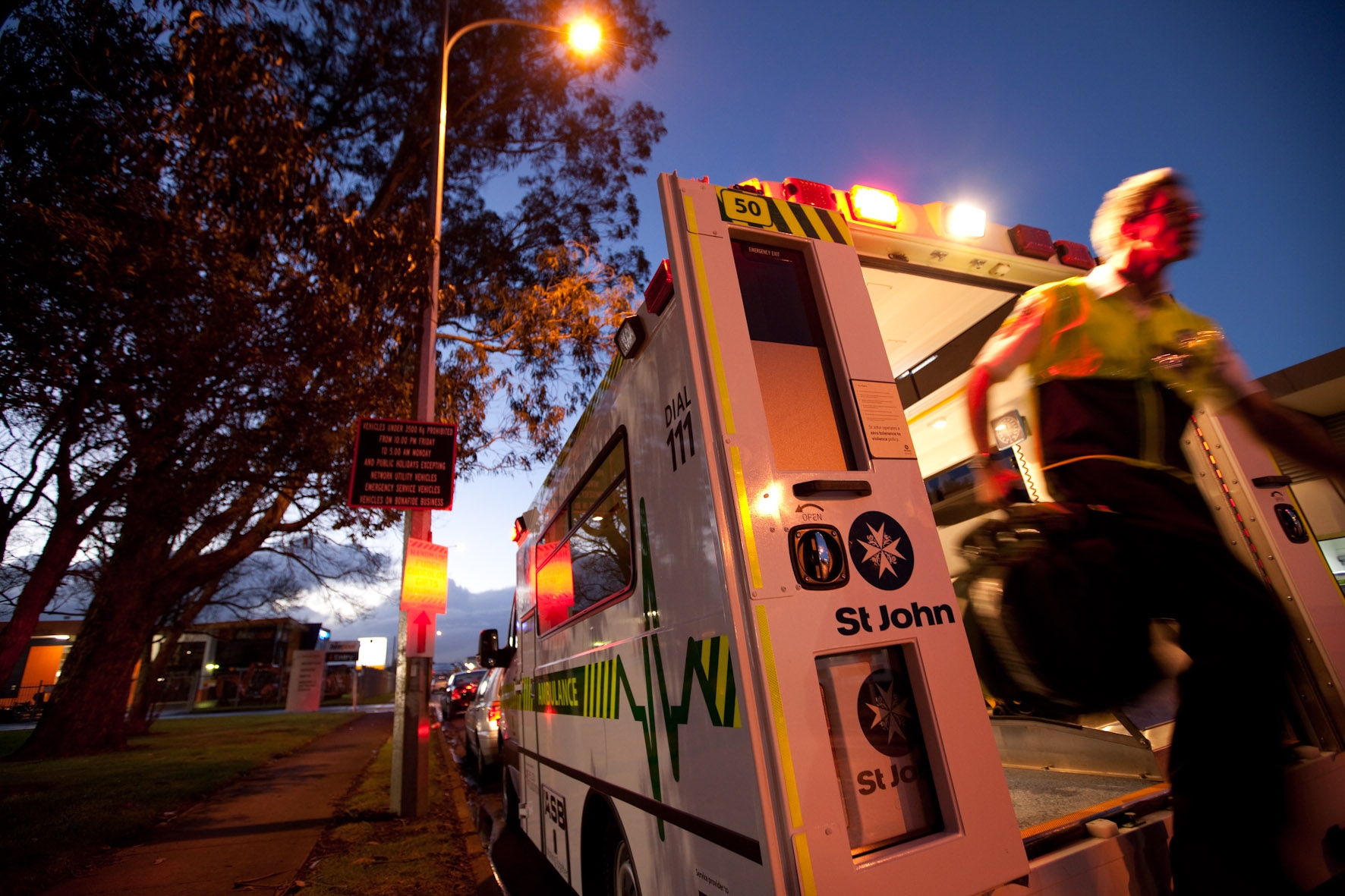
2) A jaw thrust during the apnoeic period and adminstering O2 at 15L/min via nasal cannulae are easy interventions prehospital. Given that all our prehospital RSIs to date have occurred at scenes with St John’s ambulance already in attendance, we are highly likely to have additional oxygen sources available for apnoeic ventilation beyond what we carry in the helicopter
3) While delayed sequence intubation has been described for patients with agitation due to hypoxia, there is no reason we can’t use it for patients with agitation due to other causes, for example the intoxicated patient with a moderate TBI. Even in the ED setting these patients are difficult to intubate, with a traditional RSI typically requiring multiple security guards/orderlies, and a rather desperate ‘quick and dirty’ one! The particular relevance to HEMS is that the DSI procedure is targeted at the patient group (agitated, combative) who are probably the WORST group to transport in a helicopter without intubating them (cramped environment, difficult ergonomics for restraint/sedation, more difficult monitoring, lots of equipment/emergency exists in close proximity…)
There are some caveats to us adopting these techniques however, especially DSI. The prehospital evidence base currently is (probably!) nil. In the podcast above, pod Scott Weingart describes his concern that someone will modify the DSI procedure (either via drugs or technique), cause a catastrophe, and ruin DSI’s reputation forever. Certainly there is significant concern from some anaesthetists who feel that the concept is “crazy”.
Prehospital RSI remains a controversial topic, mainly because the evidence base that it is beneficial is small compared to the evidence base that done badly it worsens outcomes (great summary of these issues in a slide set here by Tony Smith, one of our HEMS doctors who is both an intensivist and the medical advisor to St Johns ambulance).
Auckland HEMS trains extensively in RSI to ensure that it is safe and effective. St John’s Ambulance also have a good understanding of the procedure, with the result being that they can be valuable assistants when we perform an RSI. They also share with us the ‘mental model’ of what we are doing and why we are doing it. If we attend a scene, attempt the novel and relatively unproven DSI procedure based on good sense but little evidence, and have a poor outcome, we would probably be judged fairly harshly.
 Auckland HEMS