I have written about checklists in medicine before, but in light of a recent publication in the New England Journal of Medicine, I was inspired again to write about it.
One of the leading advocates for checklists in medicine is Atul Gawande. His book “The Checklist Manifesto” is an excellent read for anyone interested in the topic and definitely well written for the lay-person. Notably he’s also the senior author on this randomized trial just published in NEJM. And while the NEJM is often busy publishing some questionably biased and often pharma-funded studies, this one deserves attention. But before I discuss more about the trial…I digress…
Just this week, while we were flying I observed something quite interesting. Typically when we fly in the helicopters, our pilots ask our crewman for landing checks. At which point the crewman will go through the checklist with the pilot answering appropriately. We…
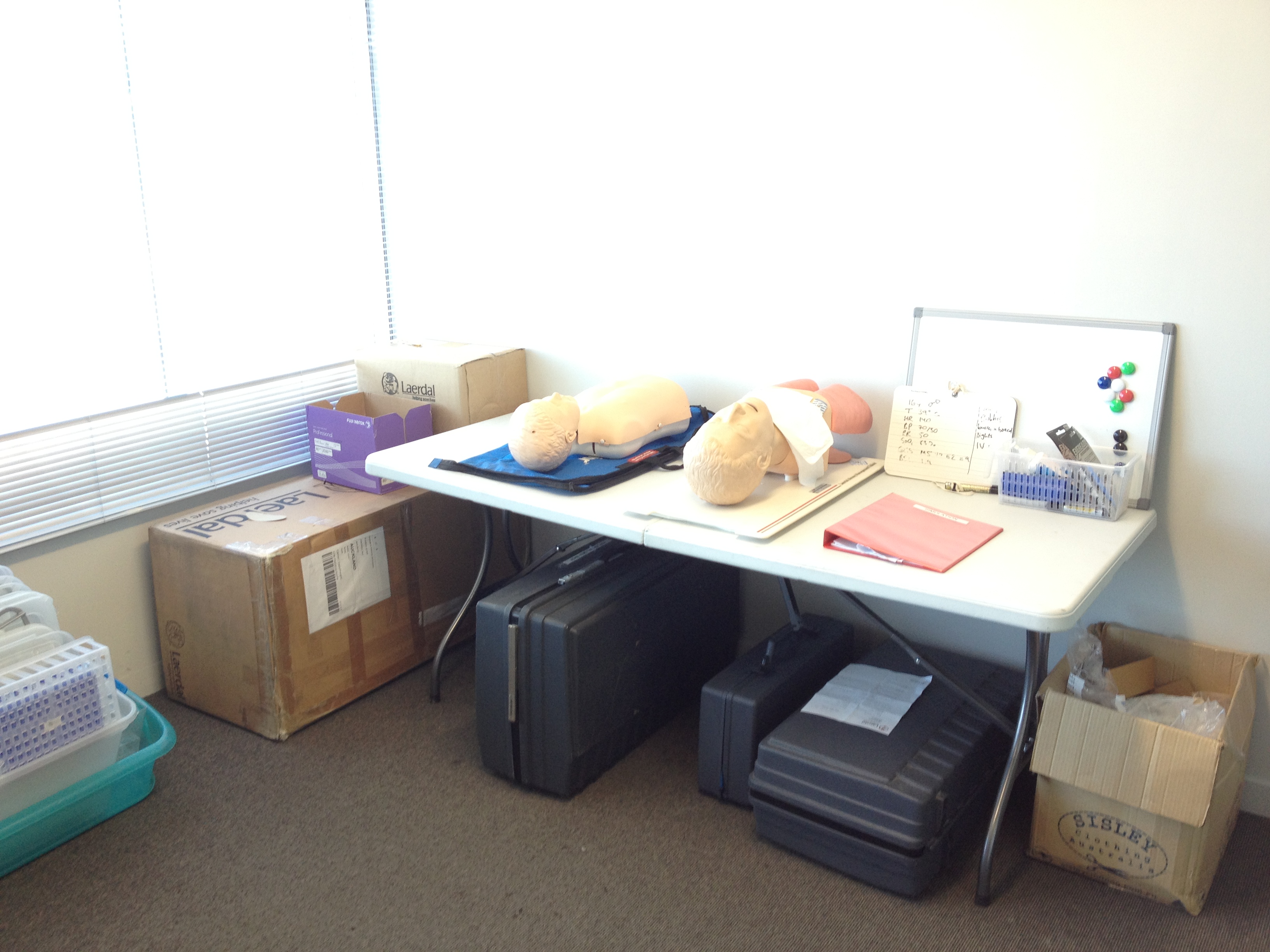
Over the past few months at ARHT, we’ve been working to secure a location that can be used as our clinical sim lab. While most of our sim is done outside, this will allow for a “think tank” and location to keep all of our supplies. A spot like this will have a huge positive impact on improving our ability to run effective in-situ simulation.
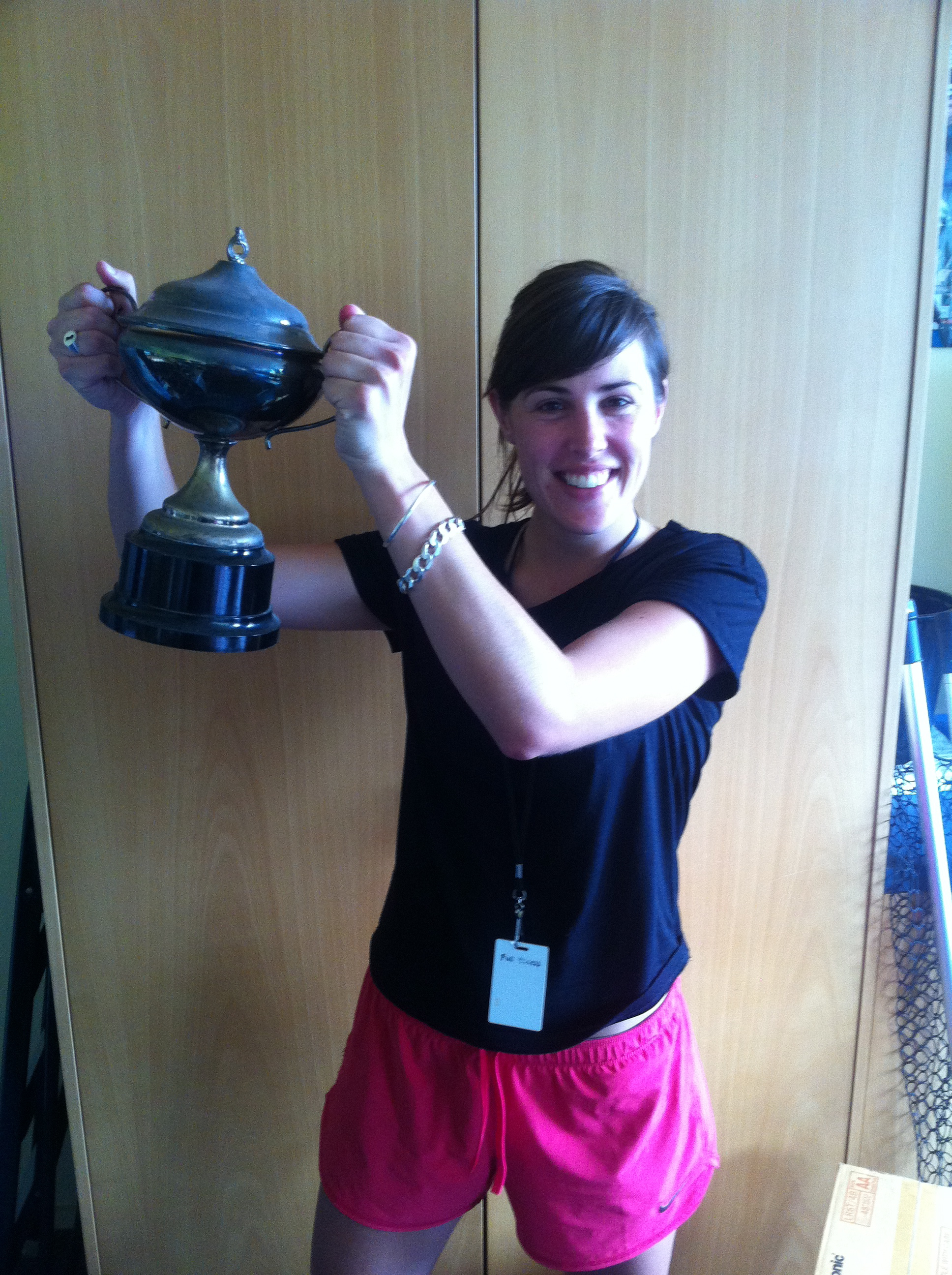
Rossi, our Emergency Medicine award winning medical student (and newest team member) While it may not be the exact replica of the EM award…it’s pretty close!
In addition, we plan to use this site for task training and trialling new equipment. While it has taken some time to get it organized, we’ve made huge progress recently. One of the main reasons we’ve had such success can be attributed to our newest education team member, Rossi, who is a senior medical student at the University of Auckland. She has a keen interest in emergency medicine, retrieval medicine and trauma. Her enthusiasm has been crucial to getting us up and running with a fully functional sim lab. We should also acknowledge her recent achievement as the recipient of a special mention in Emergency Medicine for dedication & teamwork at U of Auckland Medical school. Welcome Rossi, and we look forward to all that you bring!
I also felt it would be great to show the progress we’ve made with the sim lab. This will be an outstanding location to think, work and practice. We’ll be able to re-pack packs for simulations and engage in task training modules.
Here’s a few pics of the progress…and completion!
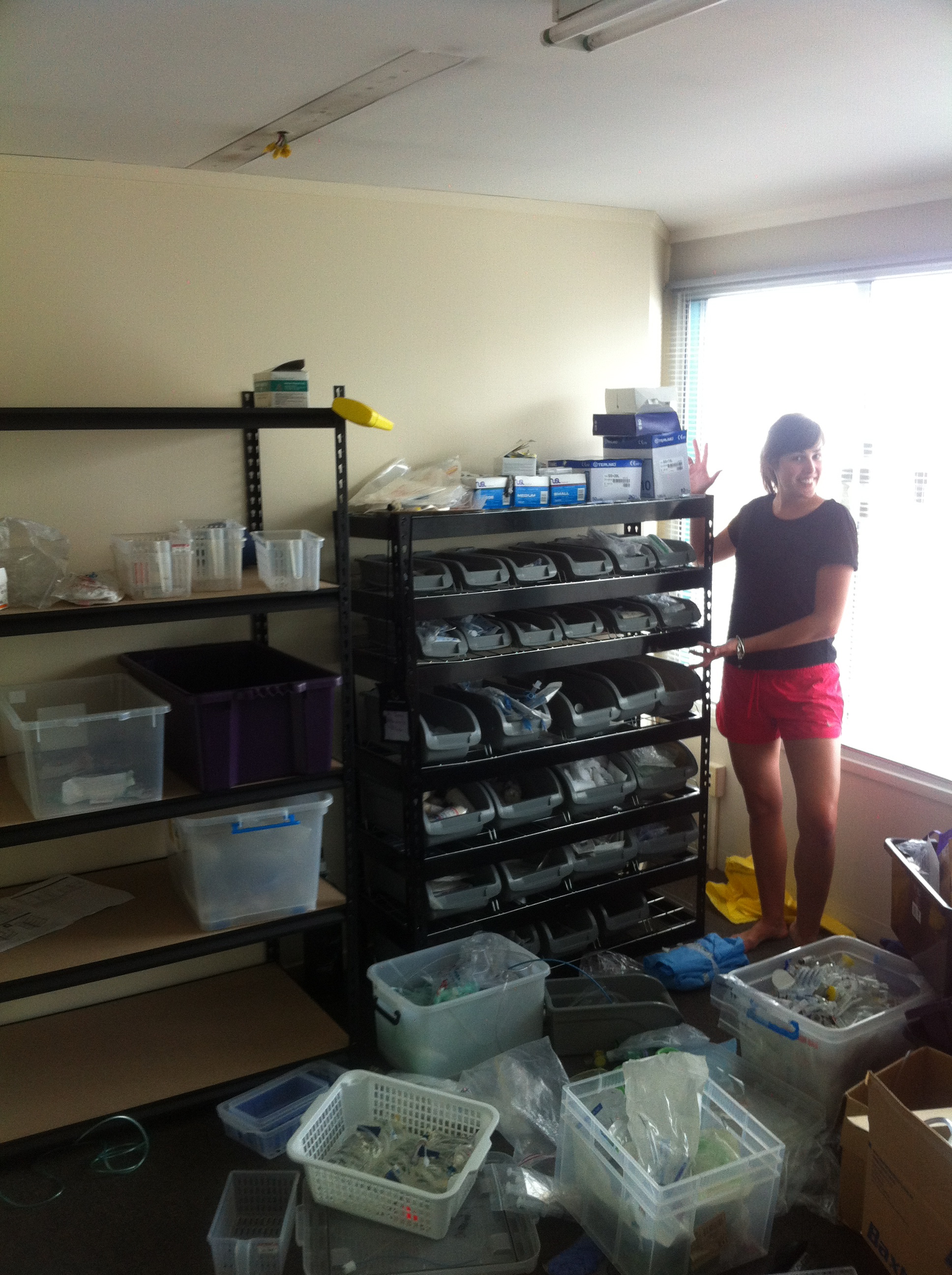
Sim lab: the beginning
Rossi doing her best Vanna White impersonation
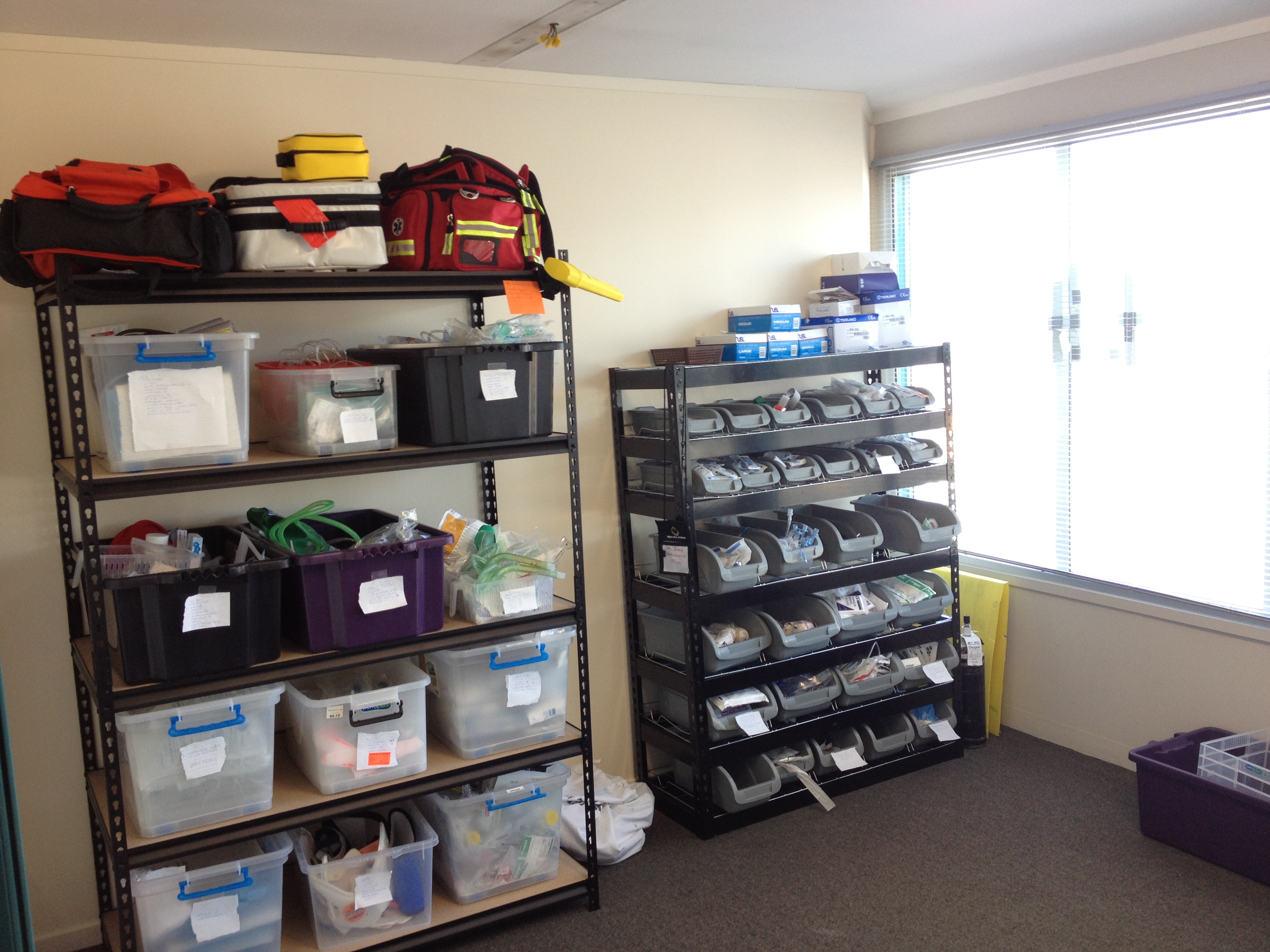
Sim Lab: the current state! Ready for use!
Sim Lab: airway task trainers…clearly needing a cric to be performed!
There have been significant changes in the delivery of acute trauma care as a result of the military conflicts in Iraq and Afghanistan. One of the recent advances has been the advent of haemostatic dressings for haemorrhage control, which are now being used in the civilian as well as the military setting.
Auckland HEMS carries a product called Quikclot Gauze. This is an inert mixture of oxides of silica, sodium, magnesium, aluminium, and quartz. The compounds absorb water in a physical (not chemical) reaction, which concentrates platelets and clotting factors at the site of administration.
In 2008 the Journal of Trauma published a case series of the first 103 documented uses of Quikclot, including uses in military and civilian prehospital and hospital settings. The majority of uses involved extremity haemorrhage, often when direct pressure and tourniquets and direct pressure had failed. First responders found Quikclot to be 100% effective. Quikclot was ineffective in a handful of hospital cases, which involved moribund coagulopathic massively-injured patients. Heat generation from the physical reaction was an issue, with 3 patients sustaining burns, and a quarter of concious patients reporting ‘moderate to severe’ pain.
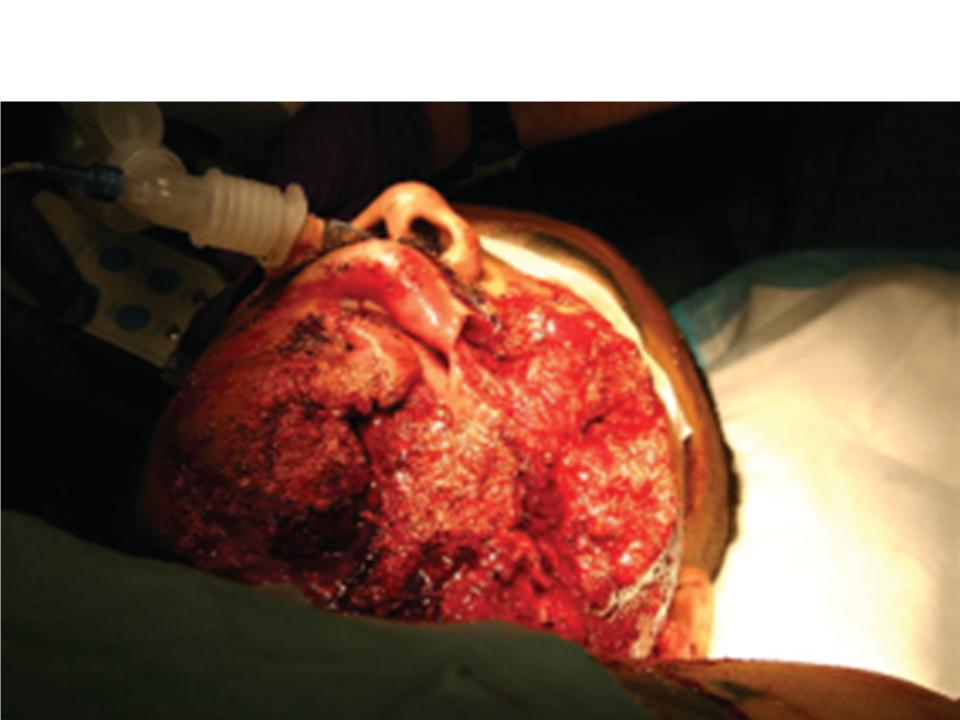
Wound from helicopter rotor blade, with Quikclot applied
There is also evidence from an animal model that Quikclot may allow sufficient haemostasis to reduce tourniquet time. This study involved a pig model of extremity haemorrhage and found that after haemostasis of a bleeding extremity had been acheived with a tourniquet and Quikclot, bleeding occurred only 20% of the time after tourniquet release, compared to a 100% failure rate with standard gauze dressings.
A systematic review of literature regarding haemostatic dressings was published in Injury in 2011, and can be found here. Overall data is scant and mostly observational/retrospective, but what is available suggests that haemostatic dressings like Quikclot should be a useful tool for controlling significant haemorrhage in our prehospital setting.
Full text pdfs for this post are here(secure area limited to ADHB staff only – ADHB has online subscription access to these journals through the Philson Library at the University of Auckland School of Medicine)



 Auckland HEMS