Prehospital Management of Traumatic Brain Injury

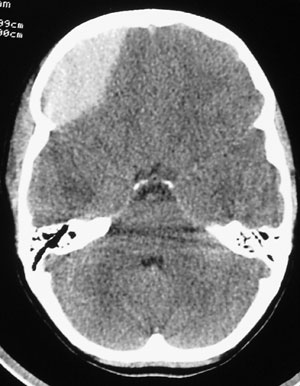
extradural-haematoma

To date, the most significant procedural capability the the addition of doctors to the ARHT Westpac Rescue Helicopter has provided has been RSI capability. Of the RSIs performed so far,  a significant proportion have been for severe traumatic brain injury (TBI).

With the exception of surgical intervention (which is required in a minority of cases of severe TBI), most other essential elements of severe TBI management can be provided in the prehospital setting – airway protection, optimisation of oxygenation, prevention of hyper- or hypo-carbia, support of cerebral perfusion pressure, and ICP control.

This paper, published in the Journal of Neurosurgery in 2008, reviews the evidence around the various elements of the pre-hospital severe TBI care ‘package’.

Take-home messages:

  • a period of hypoxia (PaO2<60mmHg) is associated with a 50% mortality rate and a 50% severe disability among survivors
  • in previous studies hypoxia has been a common complication of prehospital intubation for severe TBI, with up to 57% of patients experiencing transient hypoxia lasting a mean of 2.3 minutes (note – these studies frequently involved neither an RSI as we know it nor personnel who were appropriately trained and qualified; more recent evidence points to a benefit for prehospital RSI for severe TBI provided it is done well by appropriate people)
  • Tight control of CO2 after intubation has a significant effect on survival – in one large series patients with normal CO2 on arrival to ED had a 21% mortality, those with CO2 outside the normal range had a 34% mortality
  • Manual ventilation is associated with hypocarbia
  • A single episode of hypotension (systolic BP less than 90mmHG) doubles mortality
  • Management of hypotension in the field improves outcome
  • Transport by helicopter for patients with severe TBI improves odds of survival compared with ground transport (OR 1.6-2.25) – this may reflect the presence of more skilled personnel on the helicopter, careful attention to post-intubation ventilatory parameters, and transport to a trauma centre.
Oxygen physiology and pulse oximetry lag podcast

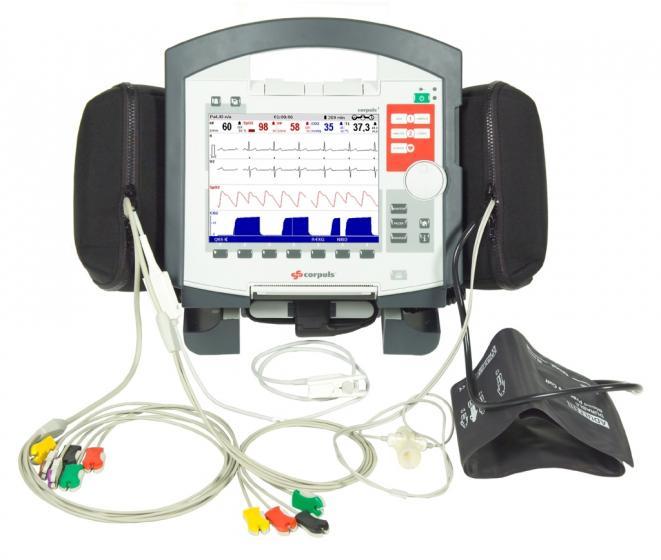
corpuls

This podcast, from the Scott Weingart’s superb emcrit.org site, discusses the lag between oxygen delivery commencing following RSI and the rise in saturations on the patient monitor. It is directly relevant to the prehospital setting, given that a colder environment and a shocked/underresuscitated patient results in a longer pulse oximetry lag. The discussion also makes note of several cases where a (probably) successfully placed ETT was removed in the prehospital setting due to pulse oximetry lag.

The emcrit show notes are here

The podcast is here


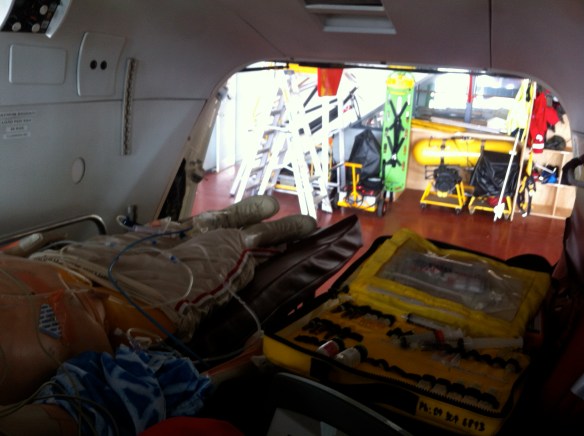
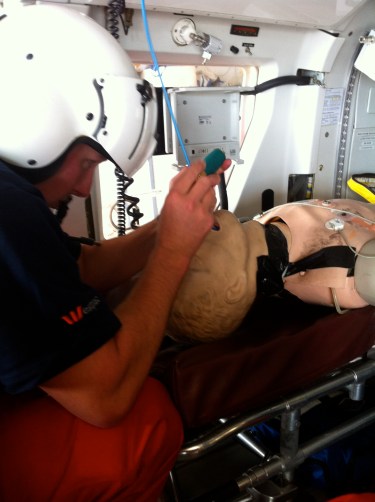
Ever done an RSI in a helicopter? Here’s a recent simulation experience!

Recently at the base, we’ve been discussing the concept of improving our ergonomics and making our workspace (e.g. the helicopter) as functional as possible. We are continually looking to optimize our equipment to best serve our patients.  Any procedure in-flight will be considerably more difficult than if performed in a well controlled environment like the hospital so in-situ training within the helicopter is essential.

Today, Karl (one of our advanced paramedics) and I did some in-situ simulation of an RSI within the helicopter. We ran through a scenario with an unpredicted deterioration of a patient in flight that required an RSI. A review of the literature provides little guidance on the emergency airway management of patients while in-flight so approaches to such situations currently must be derived from simulation and retrospective reviews within your own program.

We discussed a few key concepts that should be considered as we move forward in pre-hospital airway management and overall care for acutely ill patients:

1. Patient positioning: ample evidence that patient’s should probably have some head elevation if possible during intubation (If you don’t believe me…check out this must read paper). This IS possible within the BK and it actually provided Karl with the best view when it was up near 40-45 degrees! Check out the following pics which demonstrates feasibility within the BK.

Patient is fully supine. Experts advocate "ear to sternal angle" but in our traditional position of supine you'll note that the ear is NOT at the sternal angle!

Patient is fully supine. Experts advocate “ear to sternal angle” but in our traditional position of supine you’ll note that the ear is NOT at the sternal angle!

And now, for a clear demonstration of “ear to sternal angle”. A position we should strive to do either to avert intubation or in preparation of an advanced airway.

A picture perfect view of the cords!

A picture perfect view of the cords! Patient at 40 degrees, and still able to intubate with a great view…even with the helmet on. Let’s integrate this!

2. Pack position: we decided that the airway/BMV pack would be removed from the Thomas pack and given to the intubating clinician immediately upon patient deterioration. This allowed the paramedic to have all necessary equipment for excellent airway management. The physician could then focus on drug administration and clinical decision making. We opened the Thomas pack fully beside the physician and placed the drug pack on the patient’s legs.

Note the drug pack on the patient's legs and the Thomas pack spread out to the right of the physician. This worked best in our setting.

Note the drug pack on the patient’s legs and the Thomas pack spread out to the right of the physician. This worked best in our setting.

Here’s what DIDN’T work.

This set up was very cumbersome if the drug pack is lying on a partially open Thomas pack. Another issue was the Thomas pack was still upright...and not lying flat.

This set up was very cumbersome if the drug pack is lying on a partially open Thomas pack. Another issue was the Thomas pack was still upright…and not lying flat. Also harder since we had to turn each time to get drugs rather than in front.

3. Apneic oxygenation: this is a bit trickier and something we’ll have to look at more closely to see what would be feasible since it will require 2 O2 sources. It was definitely challenging to get it set up when time constrained. (another must read paper on the value of apneic oxygenation).

Huge thanks to Karl for running through the sim case and providing value feedback on the ergonomics of the situation…what worked and what didn’t! We will all learn from this.